


A4 cardstock
Card is sold by weight in gsm (grams per square metre). Around 250–300gsm is a common choice for card bases; lighter weights suit layering and die-cutting.
Shop nowCraft guide
Handmade cards are still one of the nicest things to land on a British doormat. Here is the kit that makes them look polished, and the paper sizes that make posting them painless.
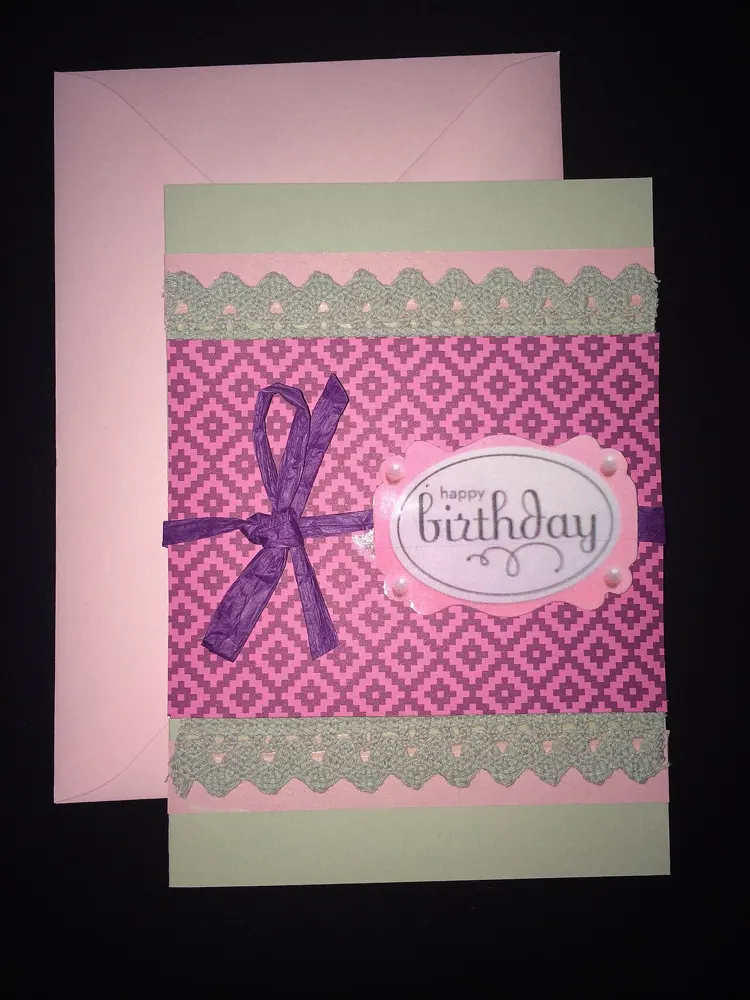
Cardmaking is one of the easiest crafts to start and one of the hardest to stop. A few sheets of good card, a trimmer and some double-sided tape will take you a long way; stamps, dies and embossing folders come later, once you know which style of card you enjoy making.
In the UK almost everything is sold in A-series sizes. An A4 sheet folded in half gives an A5 card; an A5 sheet folded gives an A6 card, which slips into a C6 envelope. Square cards are popular too, but check the envelope size before you commit to a batch.
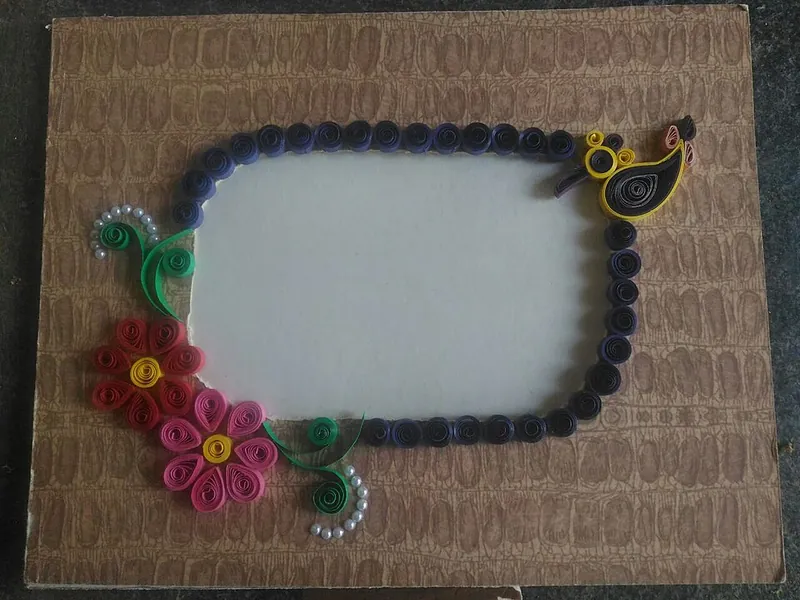
Card is sold by weight in gsm (grams per square metre). Around 250–300gsm is a common choice for card bases; lighter weights suit layering and die-cutting.
Shop nowC6 envelopes fit A6 cards, and C5 fits A5. Buying card blanks and envelopes as matched packs saves a lot of measuring.
Shop nowA trimmer gives you straight edges every time, and a scoring board makes crisp folds that don't crack, especially on heavier card.
Shop nowA manual machine that presses metal dies or embossing folders through card. Check which die brands and sizes it accepts before you buy.
Shop nowClear stamps sit on an acrylic block so you can see exactly where you're stamping. Dye inks are quick-drying; pigment inks are richer and suit heat embossing.
Shop nowTape runners are quick and tidy, foam pads add dimension, and a precision glue pen handles tiny die-cut pieces.
Shop nowPosting your cards: Royal Mail prices are based on size and weight. A standard Letter must be no bigger than 240 × 165mm, no thicker than 5mm and weigh up to 100g, which an A6 card in a C6 envelope fits comfortably. Thick embellishments, buttons or 3D toppers can push a card over 5mm and into the Large Letter price band, so check thickness before you stick a stamp on. Always check Royal Mail's current guidance before a big Christmas posting.
Specific items we've chosen from Amazon UK and independent UK craft shops. We check daily that each one is still in stock and hide any that aren't. These are affiliate links; we haven't tested every product, so check the listing before you buy.
Hawksbill
A pack of acid-free white card heavy enough for card bases and printer-friendly toppers.
View at Amazon UKCraft UK
Ready-folded white blanks with matching envelopes, made in the UK, for when you want to skip the trimming.
View at Amazon UKVaessen Creative
A scoring board for crisp folds on cards, envelopes and small gift boxes.
View at Amazon UKSizzix
A small manual die-cutting machine with a starter set, a low-cost way to try dies before buying a bigger one.
View at Amazon UKTsukineko
A crisp black dye ink that crafters often use for stamped images they plan to colour with alcohol markers.
View at Amazon UKMod Podge
The classic decoupage medium, used as glue and as a glossy top coat on paper and wood.
View at Amazon UK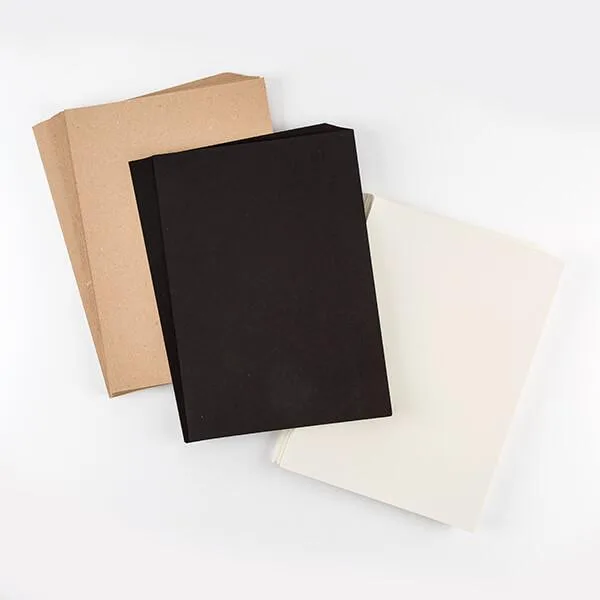
Craft Buddy
A mixed pack of the three card colours most cardmakers reach for as bases and mats.
View at Craft Buddy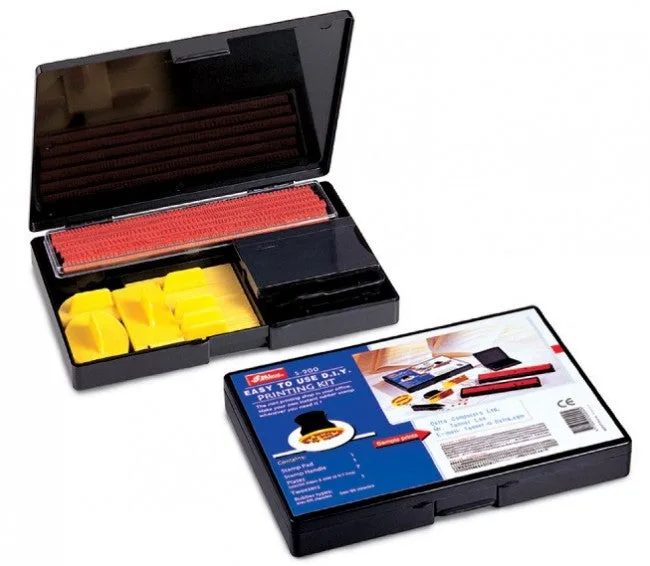
Shiny
A set of loose rubber letters you arrange yourself, useful for stamping short sentiments or a "handmade by" line on card backs.
View at Stamp Design 4U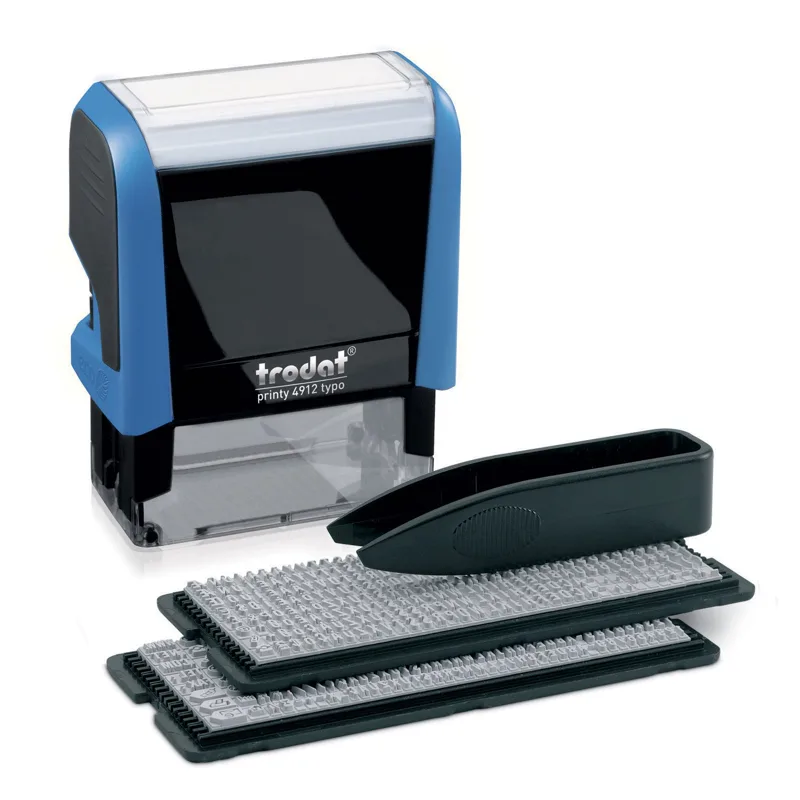
Trodat
A self-inking stamp you set up with your own text, up to four lines, for return addresses on card envelopes.
View at Stamp Design 4U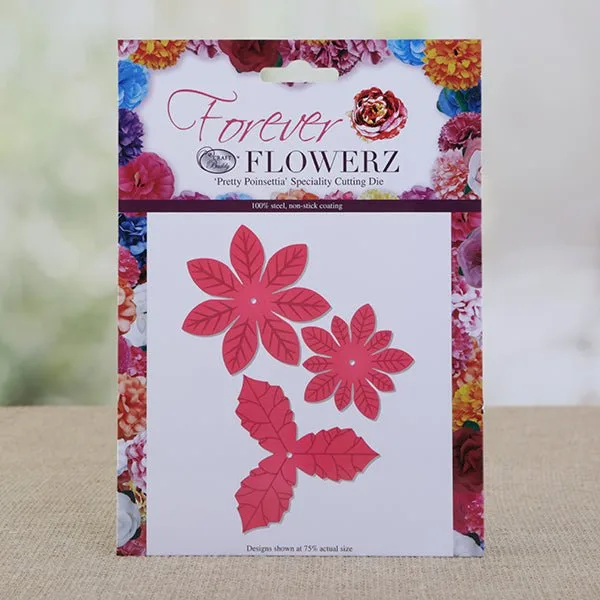
Craft Buddy
Dies for cutting poinsettia flower shapes, for anyone who already has a die-cutting machine.
View at Craft Buddy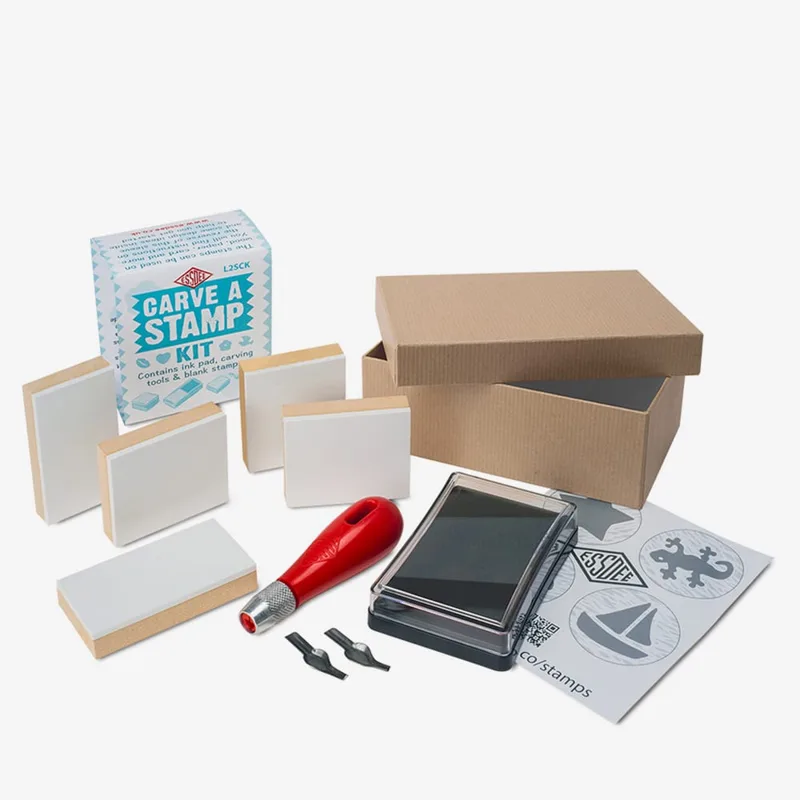
Essdee
Soft carving blocks and cutters for making your own rubber-style stamps, a cheaper route to one-off card designs.
View at ARTdiscountJust starting out? Read the beginners' guide or pick a weekend project.
