

Brother
Brother LS14S sewing machine
A compact 14-stitch machine with a drop-in bobbin and a one-step buttonhole, aimed at beginners and menders.
View at Amazon UKBlog, 22 November 2026
A first sewing machine doesn't need hundreds of stitches or a touchscreen. It needs to sew a straight line and a zigzag reliably, be easy to thread, and not frighten you off.
← All articles · This article contains affiliate links, marked as sponsored. If you buy through them we may earn a commission at no extra cost to you.
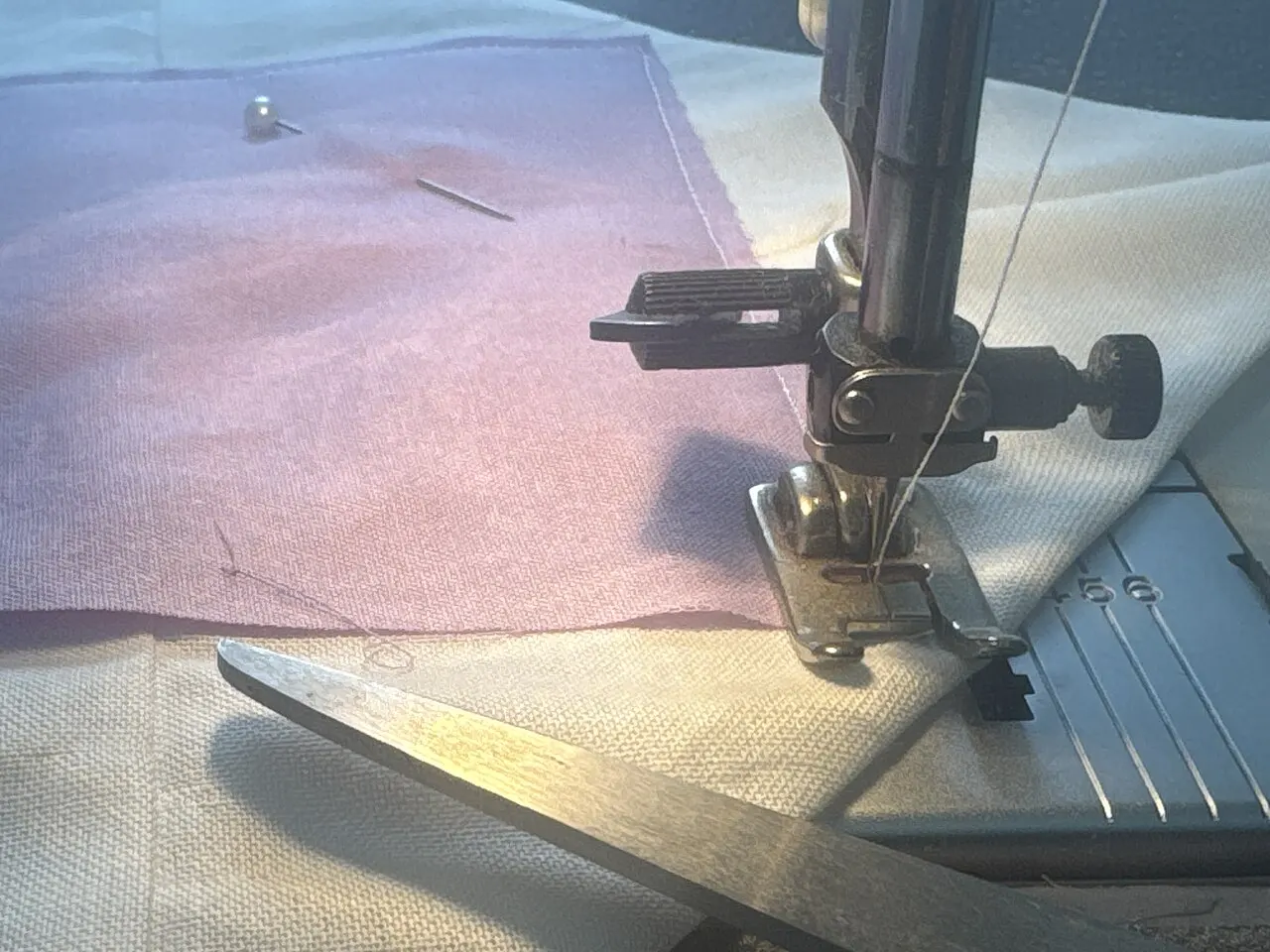
Whether you want to take up dressmaking, try patchwork or simply stop paying someone to take up your trousers, a basic machine opens up a lot. Here's how to choose one without being dazzled by features you won't use.
The Brother LS14S is an example of a compact, entry-level machine with 14 stitches, a drop-in bobbin and a one-step buttonhole. Machines like this suit beginners, menders and anyone short on space.
Decorative stitches, alphabets and embroidery modes look tempting but most people rarely use them. Computerised machines are lovely, but a mechanical machine with dials is easier to understand and has less to go wrong. You can always upgrade once you know what kind of sewing you enjoy.
If you plan to sew lots of denim, canvas or upholstery fabric, look for a machine described as heavy duty and check the maximum thickness it handles. For general dressmaking and quilting cottons, a standard domestic machine is fine.
Good all-purpose polyester thread breaks less and leaves less fluff in your machine than bargain-bin reels. A boxed set such as the Gutermann 27-spool thread box means you'll usually have a close match to hand. Gutermann is widely sold in UK haberdasheries, so it's easy to top up a colour.
Machine needles blunt with use. Change yours every eight or so hours of sewing, or straight away if the machine starts skipping stitches or making a thudding noise. Use universal needles for woven fabric and ballpoint or stretch needles for jersey.
Keep a pair of dressmaking shears, such as Fiskars' 25cm Classic scissors, just for fabric, and hide them from anyone who might use them on paper. For quilting and accurate straight cuts, a rotary cutter, ruler and self-healing mat are much faster than scissors. An A3 self-healing mat is a good size for a kitchen table, and a 6 x 12 inch quilting ruler handles strips and squares. Note that quilting rulers are usually marked in inches, even in the UK, because most patchwork patterns use imperial measurements. Add a 45mm rotary cutter, the standard blade size, and a pack of Clover Wonder Clips for holding binding and thick layers where pins struggle.
Start with straight lines and simple shapes. A cushion cover with an envelope back, a tote bag or a set of fabric napkins all teach you to cut accurately, sew a consistent seam allowance and press. Our fabric garden bunting project is another good first make, and only needs straight seams.
If you'd like a guided project with everything included, Craftiosity's embroidered noughts and crosses drawstring bag kit combines simple sewing with a little hand embroidery.
Older mechanical machines can be excellent value, but check that it comes with its foot pedal, power lead, bobbin case and manual, and that it sews a smooth line on a scrap. A service at a local sewing machine shop is worth the cost if it has been stored for years.
Whichever machine you choose, read the manual before you start. It shows exactly how your model threads, how to wind a bobbin and which presser feet came in the box, and most problems beginners run into (looping thread, jammed bobbins, skipped stitches) come down to threading.
Our sewing and quilting supplies guide explains fat quarters, fabric widths and buying fabric by the metre. For inspiration from other UK sewists, visit our community site CraftingUK. Sewing in the US or Canada? craftshopdirect.com covers machines and fabric for North American makers.
Checked daily for stock; anything currently unavailable is hidden. We haven't tested every item, so read the retailer's listing before buying.
Brother
A compact 14-stitch machine with a drop-in bobbin and a one-step buttonhole, aimed at beginners and menders.
View at Amazon UKGutermann
A boxed set of all-purpose polyester spools so you have a near match for most fabrics.
View at Amazon UKThe Quilted Bear
A rectangular ruler with 30, 45 and 60 degree lines for squaring up and cutting strips with a rotary cutter.
View at Amazon UKElan
A double-sided A3 mat with a metric grid, big enough for fat quarters folded once.
View at Amazon UKThe Quilted Bear
The standard 45mm blade size for cutting strips and squares of quilting cotton against a ruler on a self-healing mat.
View at Amazon UKFiskars
Long-bladed orange-handled Fiskars scissors; keep a pair just for fabric and they will stay sharp for years.
View at Amazon UKClover
Small spring clips that hold binding and thick layers together where pins would distort or fall out.
View at Amazon UK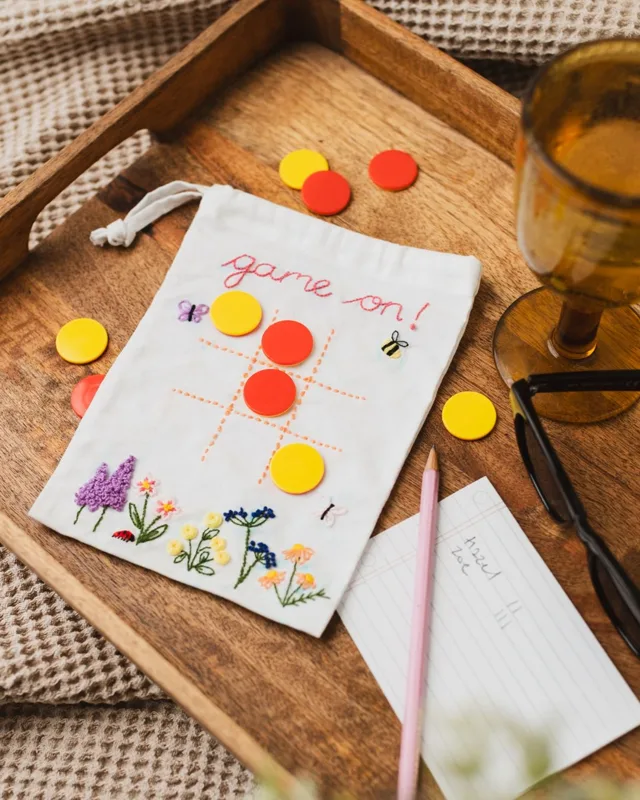
Craftiosity
Stitch a drawstring bag that doubles as a noughts and crosses game.
View at Craftiosity